
Understanding the psychological strategies behind successful casino gaming
The Role of Cognitive Bias in Gambling
Cognitive biases play a significant role in shaping the decisions of casino gamers. These mental shortcuts can lead players to overestimate their chances of winning based on past experiences or misconceptions about random events. For instance, the gambler’s fallacy—a belief that previous outcomes influence future ones—can lead players to make irrational bets, convinced that a win is ‘due’ after a series of losses. In this context, many users turn to online betting sites uk to maximize their engagement with gaming.

Understanding these biases is essential for both players and casinos. While players may need to recognize and mitigate their biases to make informed decisions, casinos can leverage these tendencies to enhance player engagement and maintain loyalty through various promotional strategies. This mutual understanding can lead to a more responsible approach to gaming.
Emotions and Decision-Making in Casino Gaming
Emotions heavily influence decision-making in a casino environment. When players experience excitement, fear, or frustration, their ability to make rational choices diminishes. For example, the rush of winning can lead to impulsive behavior, such as chasing losses or increasing bet sizes, which can spiral out of control.
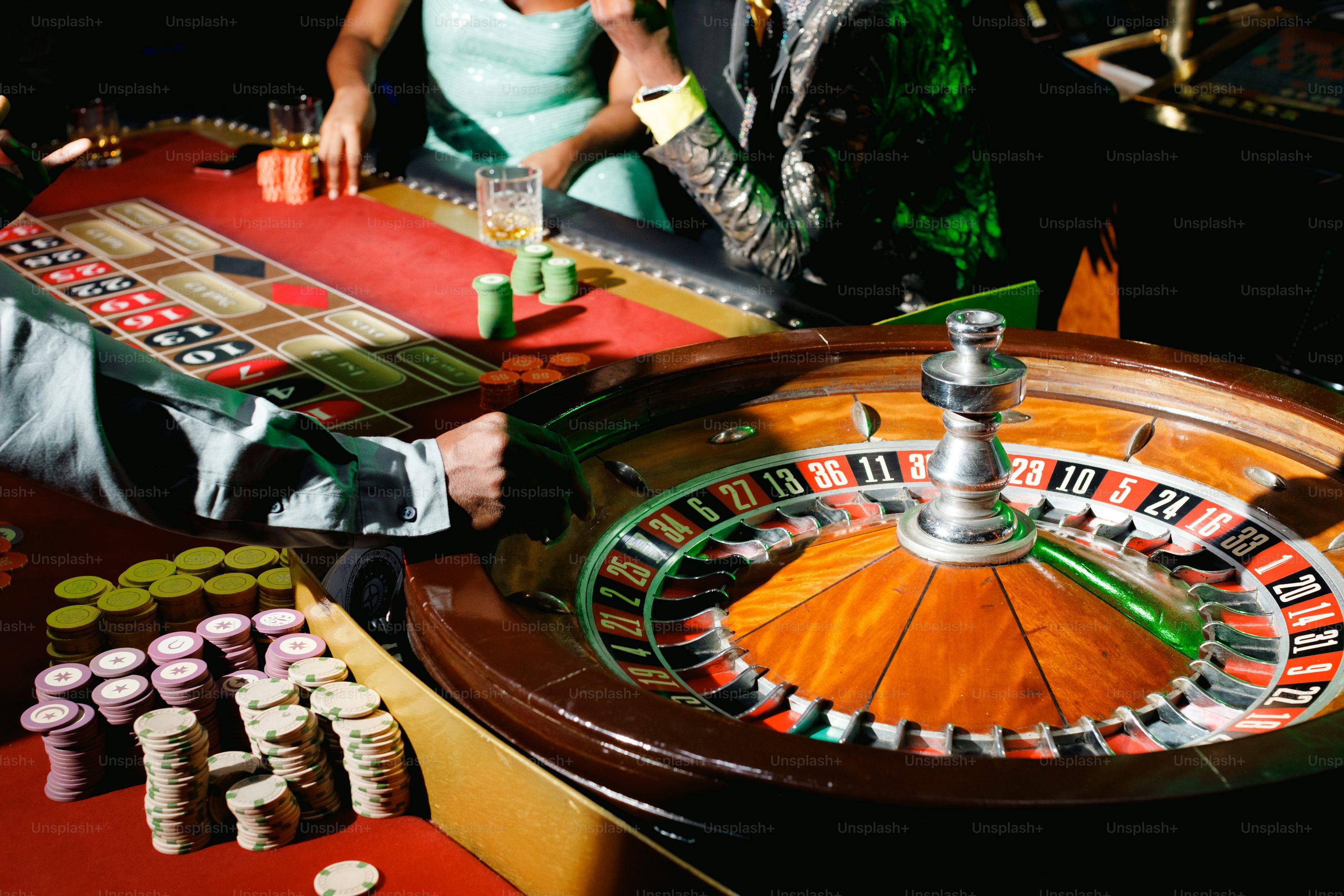
Moreover, the design of casinos is intentionally crafted to evoke emotions that encourage players to stay longer and gamble more. Bright lights, engaging sounds, and celebratory atmospheres create a sensory experience that enhances emotional responses, often leading to prolonged play and larger wagers. Recognizing these emotional triggers can help players maintain control over their gambling habits.
The Impact of Environment on Gambling Behavior
The casino environment is meticulously designed to influence player behavior. From the layout of the gaming floor to the strategic placement of high-stakes tables, every aspect is calculated to maximize engagement and spending. Players are often surrounded by visually stimulating decor and sounds that create an atmosphere of excitement.
This carefully curated environment can lead to a sense of urgency and a fear of missing out (FOMO), compelling players to continue gambling even when it may not be in their best interest. Understanding how the casino environment affects behavior can empower players to make more deliberate choices and avoid succumbing to environmental pressures.
The Importance of Social Dynamics in Gambling
Social interaction plays a crucial role in casino gaming. Many players enjoy the communal experience of gambling, which can enhance the thrill of the game. Social dynamics can influence betting behavior, with players often feeling pressured to conform to group norms or emulate the betting patterns of those around them.
Additionally, casinos frequently host tournaments and events that foster a sense of community among players. These social experiences can heighten engagement and create a competitive atmosphere, leading players to take risks they might not consider when gaming alone. Recognizing the power of social dynamics can help players approach gaming more strategically.
Exploring Responsible Gaming Practices
As understanding of the psychological strategies behind casino gaming grows, so too does the importance of responsible gaming practices. Players are encouraged to recognize their motivations and emotional triggers to maintain a healthy relationship with gambling. Setting limits on time and money spent at the casino is a crucial step in promoting responsible gaming.
Furthermore, many casinos are now incorporating responsible gambling initiatives, offering resources and support for players who may be struggling. By fostering an environment that prioritizes player well-being, the industry can create a more sustainable and enjoyable gaming experience. This commitment to responsible practices is essential for both players and casino operators in cultivating a positive gambling culture.

